Downtown Seattle Dentists
Wisdom Teeth Removal and Tooth Extractions in Downtown Seattle

Wisdom Teeth and Tooth Extractions at Downtown Seattle Dentists
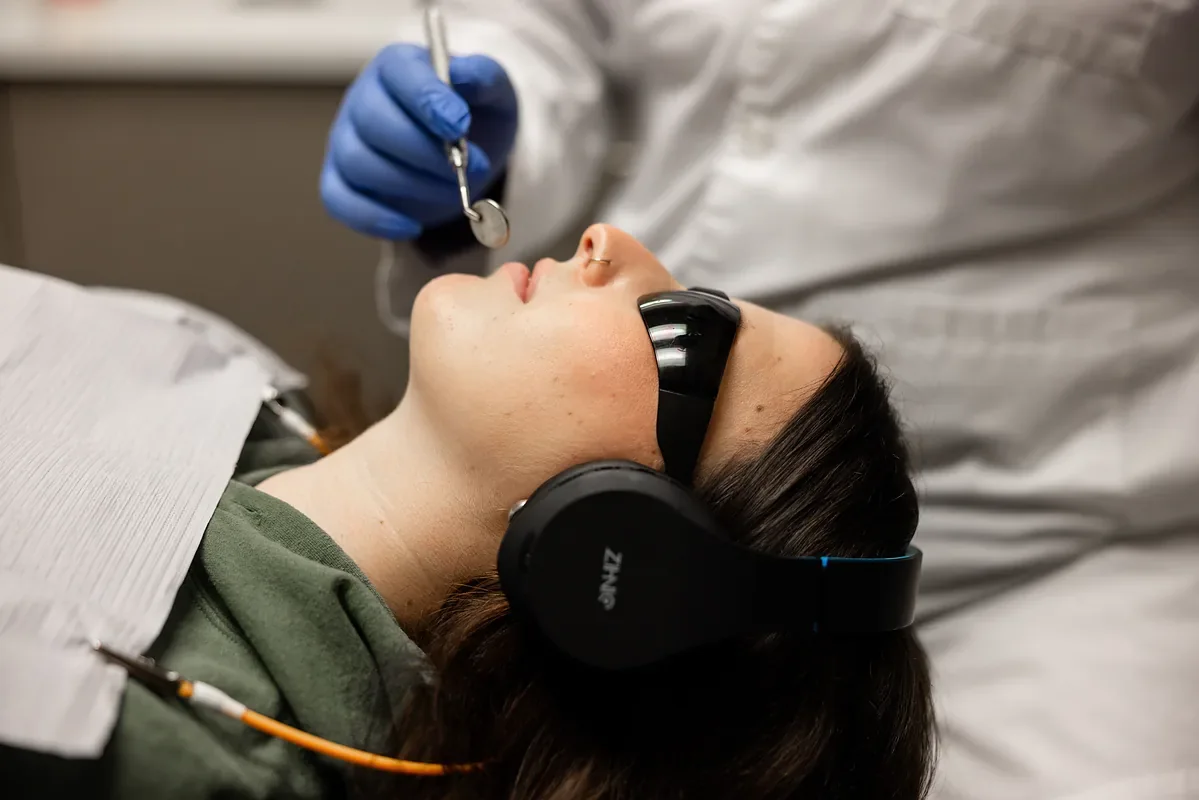
Not every tooth can or should be saved. When a tooth is too damaged, an infection is too advanced, or wisdom teeth are causing pain, crowding, or repeated infections, removal is often the best path forward. We perform simple wisdom teeth extractions and routine adult tooth extractions in our downtown Seattle office under local anesthesia, with nitrous oxide and oral sedation available for patients who would like extra comfort. For complex cases (fully impacted wisdom teeth, extractions requiring general anesthesia, or surgical removals involving significant bone work), we refer to trusted oral surgeons in the Seattle area and help coordinate your care.
We serve patients across downtown Seattle, Belltown, First Hill, Capitol Hill, South Lake Union, and the surrounding neighborhoods.
Why Wisdom Teeth Can Be a Problem
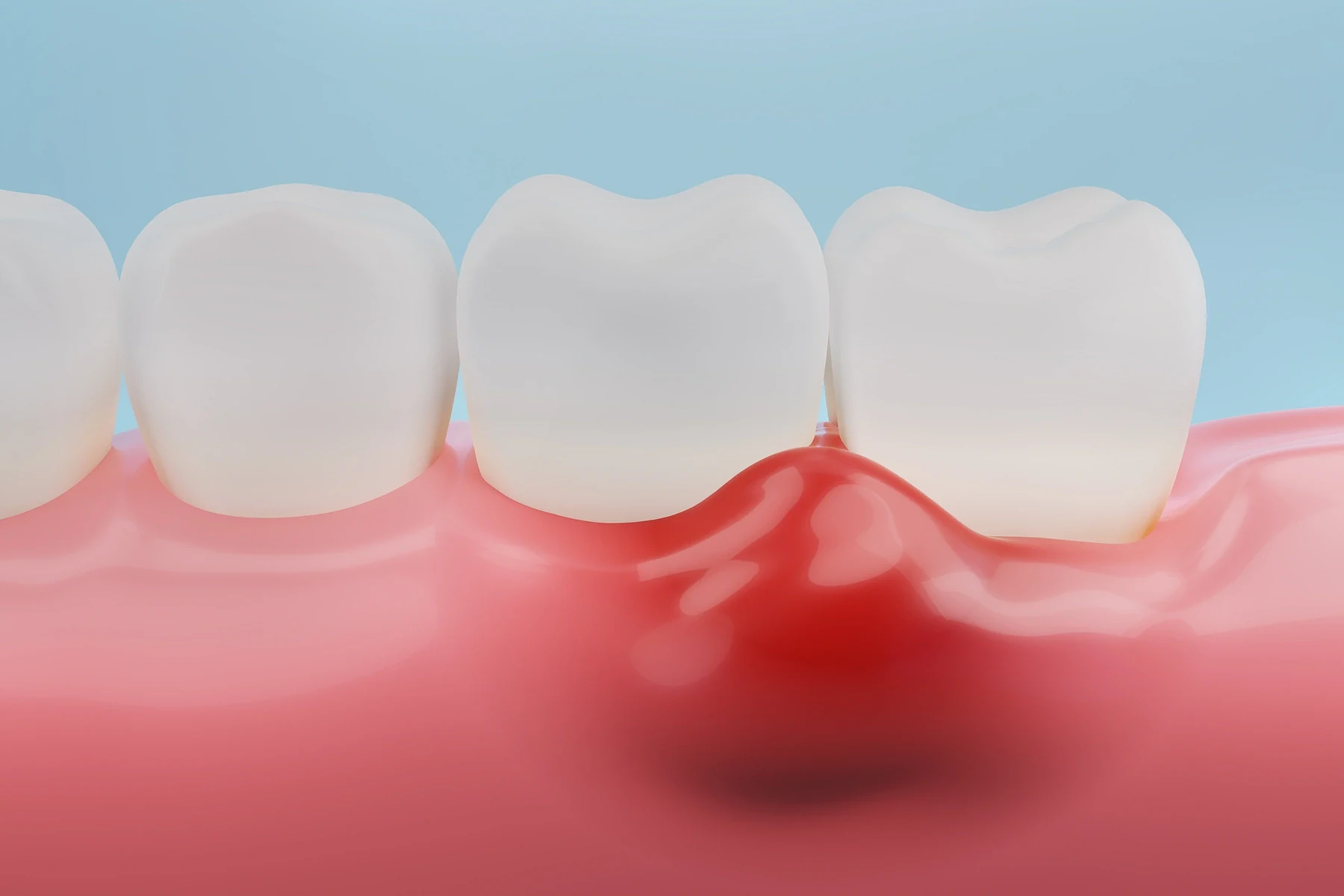
Wisdom teeth (the third molars) typically appear in your late teens or early twenties, long after the rest of your smile has settled. By that point, there is often not enough room in the jaw for them to come in straight. The result can be wisdom teeth that grow sideways, partially erupt, remain trapped under the gums, or come in but cause crowding in the rest of the mouth.
Common wisdom teeth problems:
- Pain or pressure at the back of the mouth
- Swelling or tenderness in the gums around an erupting wisdom tooth
- Repeated infections in the area (pericoronitis)
- Crowding or shifting of the rest of your teeth
- Difficulty cleaning the area, leading to decay or gum disease
- Cysts or other complications around impacted wisdom teeth

What We Handle In-House and When We Refer Out
Handled in-house at Downtown Seattle Dentists:
- Simple wisdom teeth extractions where the tooth has erupted normally
- Routine adult tooth extractions under local anesthesia
- Nitrous oxide and oral sedation available for extra comfort
- Wisdom teeth evaluation as part of every comprehensive exam
- Coordination of post-extraction care and follow-up
Referred to trusted oral surgeons in the Seattle area:
- Fully impacted wisdom teeth (teeth still trapped beneath gum or bone)
- Extractions that require general anesthesia or IV sedation
- Surgical extractions involving significant bone work
- Complex cases with high risk of complications
Frequently Asked Questions
Do you remove wisdom teeth in-house?
Yes. We perform simple wisdom teeth extractions in our downtown Seattle office under local anesthesia, with nitrous oxide or oral sedation available for extra comfort. For fully impacted wisdom teeth or cases that require general anesthesia, we refer to trusted oral surgeons in the Seattle area and help coordinate your care.
Is the extraction procedure painful?
The procedure itself is performed under local anesthesia, so most patients feel pressure but not pain during the visit. We also offer nitrous oxide or oral sedation for patients who would like extra comfort. Some soreness, swelling, and mild discomfort for a few days afterward is normal and usually well managed with over-the-counter pain medication.
How long is the recovery from a wisdom tooth extraction?
Most patients feel noticeably better within three to five days. Full healing of the gum tissue takes a few weeks. We give you clear aftercare instructions and check on you during the healing process.
What if my wisdom teeth do not hurt yet?
Wisdom teeth can cause problems silently for months or years before pain shows up. During every comprehensive exam, we evaluate your wisdom teeth using X-rays and tell you whether they are positioned to cause future issues. Early removal is often easier than waiting until they become symptomatic.
How much does an extraction cost?
Cost depends on the type of extraction. Simple extractions are less expensive than surgical extractions. Insurance often covers a portion of medically necessary extractions. We provide a clear cost estimate before any procedure and accept CareCredit financing.
What do I do after a tooth is extracted?
We send you home with detailed aftercare instructions covering bleeding, swelling, food, and activity. The first 24 hours are the most important: keep the gauze in place, avoid drinking through straws (which can dislodge the blood clot), and stick to soft foods.
Will I need to replace the extracted tooth?
For wisdom teeth, usually no replacement is needed. For other adult teeth, leaving a gap often leads to surrounding teeth shifting over time. We discuss replacement options like implants, bridges, or partial dentures at the same visit so you can plan ahead.
Do you offer sedation for extractions?
Yes. We offer both nitrous oxide and oral sedation for patients who would like extra comfort during their extraction. See our Sedation Dentistry page for details.
How urgent is wisdom tooth pain?
Pain, swelling, or repeated infections around a wisdom tooth are signs to be seen soon. Call us at (206) 447-9397 and we will evaluate the situation, treat any active infection, and recommend whether extraction is the right next step.
What to Expect at Your Extraction Visit
Step 1: Exam and Imaging
We examine the area, take X-rays to see what is happening below the gumline, and confirm whether extraction is the right call. If your case is better suited to an oral surgeon, we tell you and help coordinate the referral.
Step 2: Treatment Plan and Cost Estimate
We walk you through what the procedure will involve, what recovery will look like, and what it will cost. We also discuss sedation options if you would like extra comfort.
Step 3: The Extraction
We numb the area with local anesthesia (plus sedation if you have chosen it) and remove the tooth as gently as possible. Most simple extractions take twenty minutes or less.
Step 4: Aftercare Instructions
Before you leave, we send you home with clear instructions on bleeding, swelling, food, and activity. We also explain what is normal during recovery and when to call.
Step 5: Follow-Up Check
A short follow-up appointment confirms the area is healing well. If you need a replacement tooth (implant, bridge, or partial), we discuss next steps at this visit.