Downtown Seattle Dentists
Root Canal Therapy in Downtown Seattle

Root Canals at Downtown Seattle Dentists
Nobody is excited to hear they need a root canal, but the procedure has a worse reputation than it deserves. Modern root canals are nothing like the horror stories. Most patients say the appointment itself feels like a long filling, and the severe pain they came in with is gone by the time they walk out. The whole point of root canal therapy is to relieve the pain a deep infection causes and save the natural tooth from extraction.
At Downtown Seattle Dentists, root canal care is led by Dr. Ryan Guske, who earned the Predoctoral Student Achievement Award in Endodontics during his Doctor of Dental Surgery training at the University of Washington. Dr. Guske is also an active member of the American Association of Endodontists. That training and continued involvement matter for a procedure that depends on precision and technique. For patients with significant dental anxiety or those who would like extra comfort during the procedure, we offer both nitrous oxide and oral sedation.
If you are in pain, call us as early in the day as possible at (206) 447-9397. We serve patients across downtown Seattle, Belltown, First Hill, Capitol Hill, South Lake Union, and the surrounding neighborhoods.
What Is Root Canal Therapy?
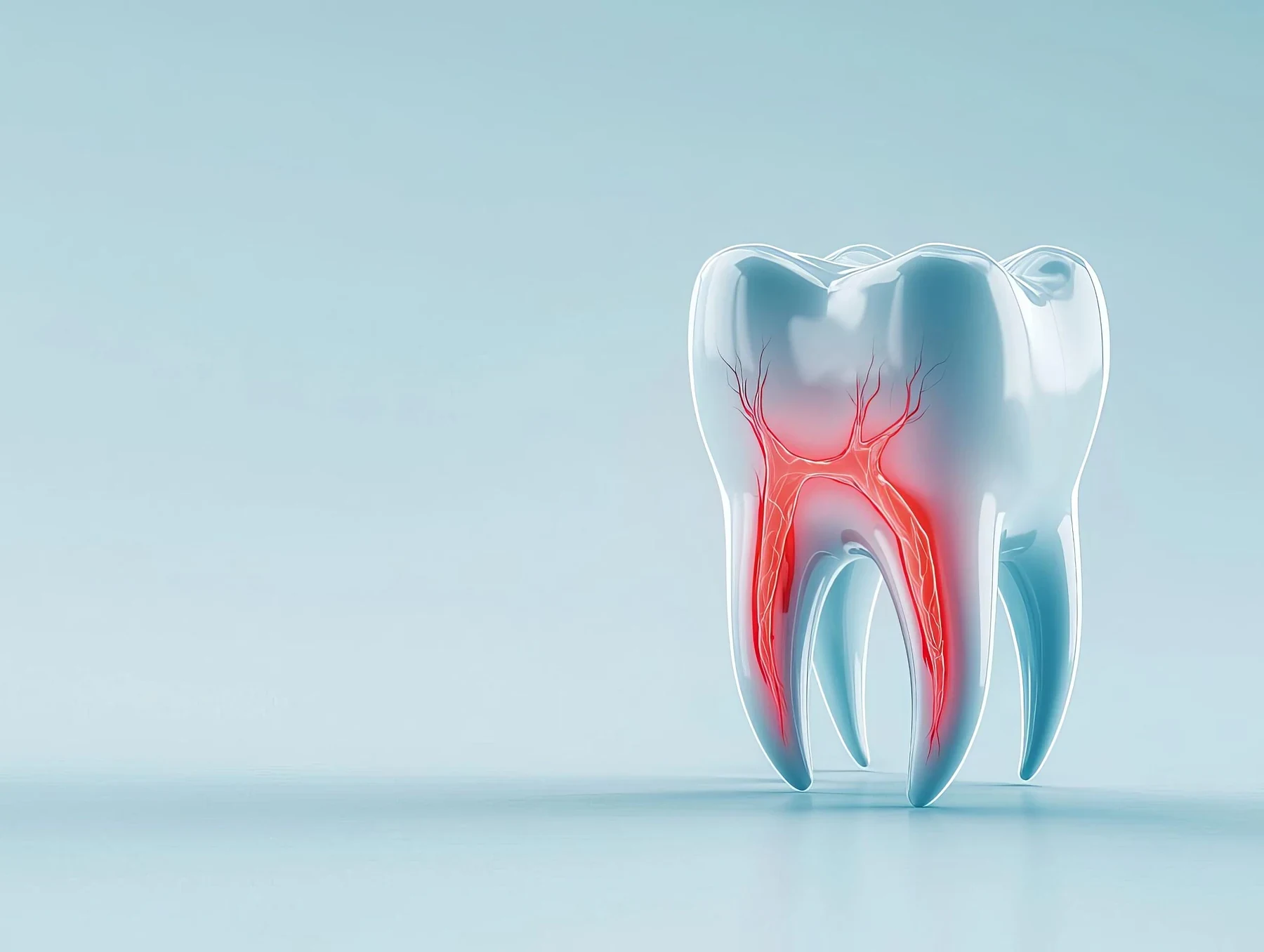
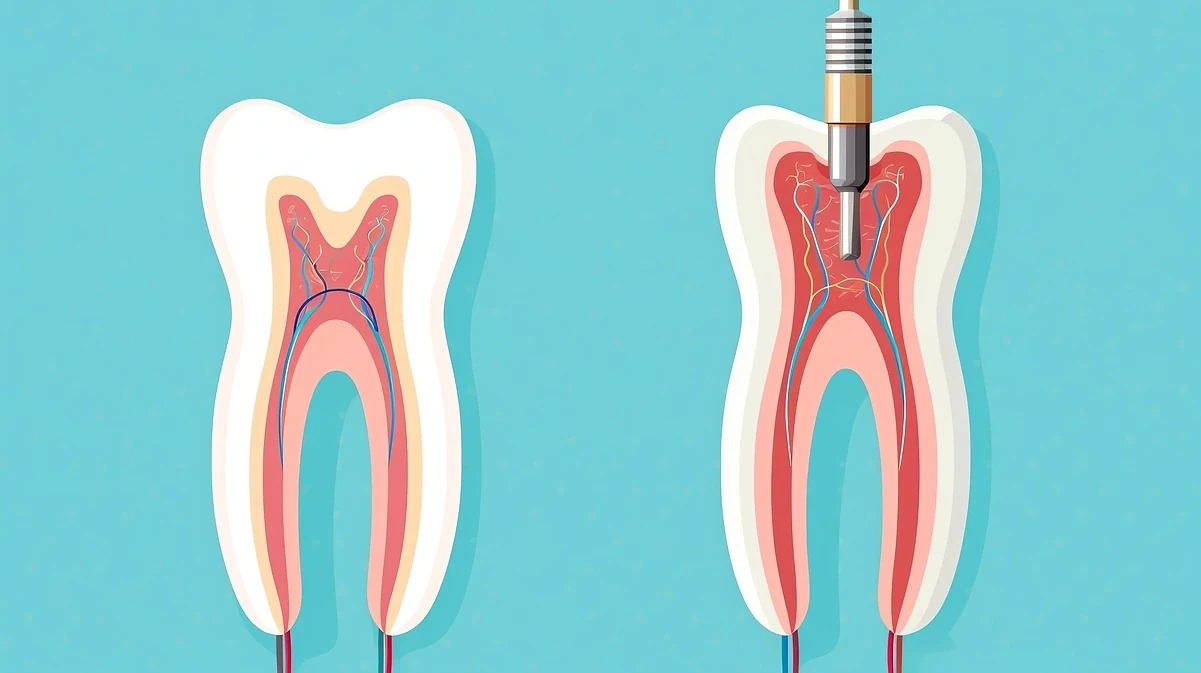
A root canal treats a tooth whose inner pulp (the soft tissue that contains nerves and blood vessels) has become infected or inflamed. When that pulp is damaged by deep decay, a crack, or trauma, the resulting infection can cause severe pain, swelling, and lasting damage if left untreated. A root canal removes the infected tissue, cleans the inside of the tooth, seals it against future infection, and protects it for the long term, often with a crown placed afterward.
What the procedure involves:
- Numbing the area with local anesthesia so the procedure is comfortable
- Sedation options (nitrous oxide or oral sedation) for patients who would like extra comfort
- Creating a small opening in the tooth to reach the infected inner chamber
- Carefully removing the infected pulp tissue
- Cleaning, shaping, and disinfecting the interior of the tooth
- Filling the cleaned space with a biocompatible material to seal it
- Placing a temporary or permanent restoration to protect the tooth, typically followed by a crown
Signs You May Need a Root Canal
Root canal symptoms often start subtly and ramp up quickly. If you notice any of the following, call us right away. The sooner we evaluate, the better the chances of saving the tooth.
- Severe, persistent toothache (especially when chewing or applying pressure)
- Sharp sensitivity to hot or cold that lingers after the temperature is removed
- Tooth discoloration, particularly a darkening of one tooth compared to others
- Swelling or tenderness in the nearby gum
- A small, pimple-like bump on the gum that may drain (a sign of infection)
- Pain that radiates to the jaw, face, or ear
- A cracked, deeply decayed, or previously injured tooth that is becoming painful
Frequently Asked Questions
How do I know if I need a root canal?
Severe or persistent tooth pain, sharp temperature sensitivity that lingers, gum swelling near a specific tooth, a darkening tooth, or a draining bump on the gum are all signs you may need a root canal. The only way to know for sure is to be seen for an exam and X-rays. Call us at (206) 447-9397 if you have any of these symptoms.
Is a root canal painful?
No. This is the most common myth about root canals. The procedure itself is performed under local anesthesia, so you feel pressure but not pain during treatment. In fact, most patients describe their root canal as feeling like a long filling, and the severe pain they came in with is usually gone by the time they leave. We also offer nitrous oxide or oral sedation for patients who would like extra comfort.
How long does a root canal take?
Most root canals are completed in a single appointment of about ninety minutes to two hours. Complex cases (back teeth with multiple roots, or teeth with extensive infection) may require a follow-up visit. We will tell you upfront whether your case is likely one visit or two.
How much does a root canal cost in Seattle?
Cost depends on which tooth is being treated. Front teeth typically cost less than molars because they have fewer roots. Most major PPO dental plans cover a portion of root canal therapy when it is medically necessary. We provide a clear cost estimate and verify your insurance benefits before treatment begins. CareCredit financing is available.
Will I need a crown after my root canal?
Most teeth that have had a root canal need a crown afterward to protect them long-term. Without a crown, the tooth can be more vulnerable to fracture under the pressure of normal chewing. We will let you know during your consultation whether your specific case needs a crown.
Can I just have the tooth pulled instead?
You can, but saving your natural tooth is almost always the better choice. Extracting a tooth leaves a gap that often needs to be filled with a bridge or implant later, which usually costs more than the root canal would have. Your natural tooth, even after a root canal, is stronger and better integrated than any replacement.
How urgent is a tooth infection?
Very. A dental infection can spread to other parts of the face, jaw, and body if left untreated. If you’re experiencing severe pain, facial swelling, or fever along with a toothache, call us right away at (206) 447-9397.
Do you offer sedation for root canals?
Yes. We offer both nitrous oxide (laughing gas) and oral sedation for patients who feel anxious about the procedure or who would like extra comfort during a longer appointment. See our Sedation Dentistry page for details.
How long does the tooth last after a root canal?
With proper care, including a crown if recommended and routine dental visits, a tooth that has had a root canal can last for the rest of your life. The success rate for modern root canals is very high, especially when performed by a dentist with strong endodontic training.
What to Expect at Your Root Canal Appointment
Step 1: Exam and Diagnosis
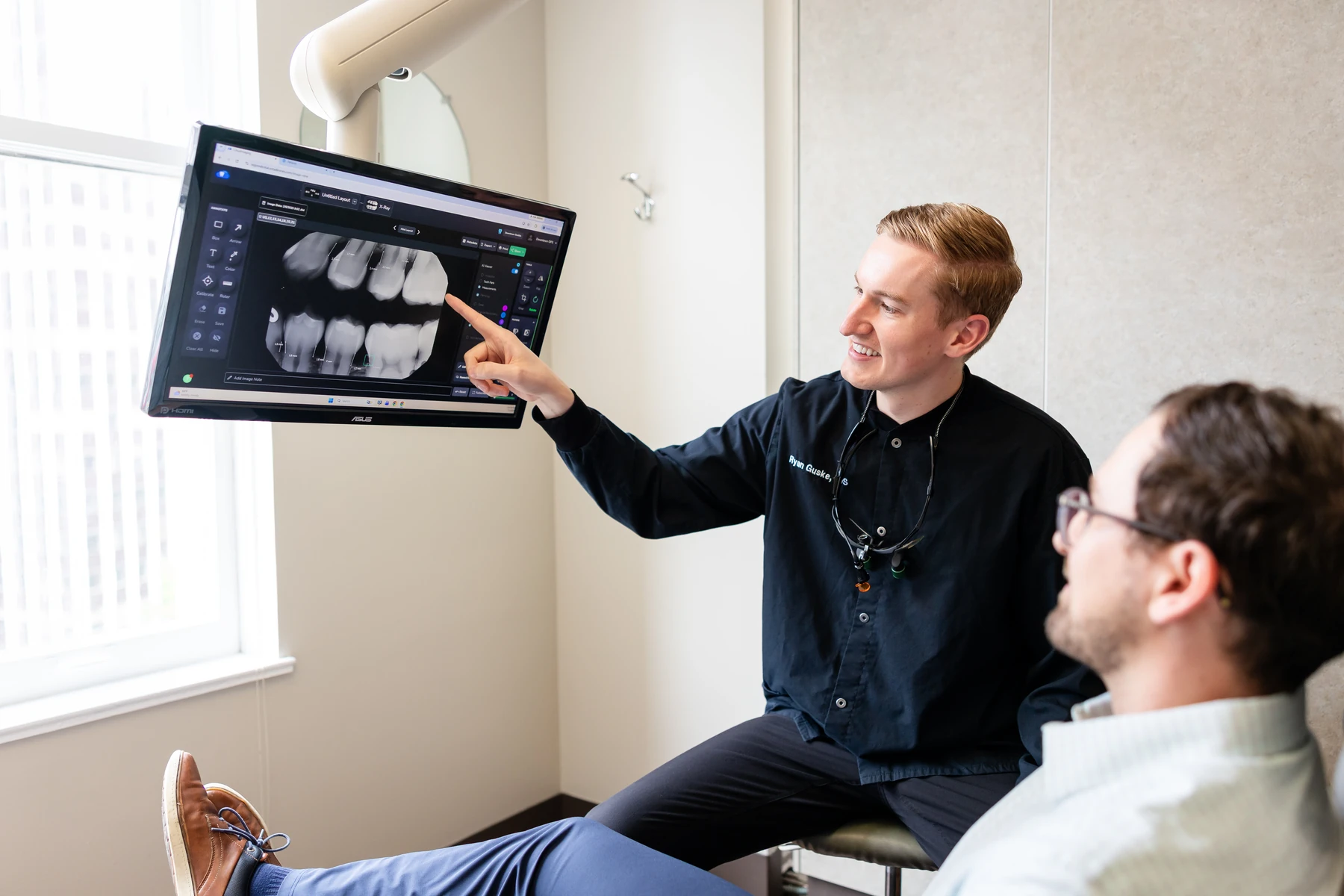
When you arrive, we examine the painful area, take an X-ray to see what is happening inside the tooth, and confirm whether a root canal is the right treatment. If it is, we explain exactly what we will do, what it will feel like, and how long it will take. We discuss sedation options at this point if you would like extra comfort.
Step 2: Anesthesia
We numb the area with local anesthesia (and sedation if you have chosen it). We wait until you are fully numb before starting any work. If anything feels uncomfortable during the appointment, raise a hand and we will adjust.
Step 3: The Procedure
We create a small opening in the tooth, gently remove the infected pulp, clean and shape the inside, and seal it with a biocompatible filling material. Most patients are surprised at how routine the experience feels once it is underway.
Step 4: Temporary Restoration
We place a temporary filling or restoration to protect the tooth until your permanent crown (if needed) is ready. You leave the appointment with the source of your pain handled and clear aftercare instructions.
Step 5: Final Restoration
At a follow-up appointment, we place the permanent crown that protects the treated tooth long-term. Once that is on, the tooth functions much like the rest of your teeth.