Wisdom Teeth and Extractions in South Lake Union, Seattle
Comfortable Tooth Extractions and Wisdom Teeth Removal

Common Reasons for an Extraction
Wisdom teeth (third molars) are the last teeth to erupt, usually in the late teens or early twenties. For some patients they come in fully and cause no problems. For many others, there is not enough space in the jaw, and the teeth come in at the wrong angle, get stuck (impacted) under the gum or against the next tooth over, or create constant trouble that warrants removal.
Signs your wisdom teeth may need attention:
- Pain or swelling at the back of the jaw
- Repeated infection or pericoronitis (inflammation of the gum flap over a partially erupted wisdom tooth)
- Pressure on the neighboring molar
- Difficulty cleaning the area, leading to decay on the wisdom tooth or the molar in front
- A wisdom tooth visible on X-ray that is impacted or angled poorly
What we handle in-house vs. refer out
Our dentists perform many wisdom teeth extractions in-house under local anesthesia, with both nitrous and oral sedation available for comfort. For deeply impacted wisdom teeth, teeth requiring extensive bone removal, or cases that would benefit from IV sedation or general anesthesia, we refer to trusted oral surgeons in the Seattle area. We make the referral easy and stay involved in your post-operative care.
When Wisdom Teeth Need to Be Removed
- A tooth that is so decayed or broken it cannot be restored
- A severe infection that has compromised the tooth and surrounding bone
- Wisdom teeth that are erupting badly or causing problems
- Baby teeth that have not fallen out on their own
- Crowding ahead of orthodontic treatment, in select cases
- A failed root canal that cannot be retreated

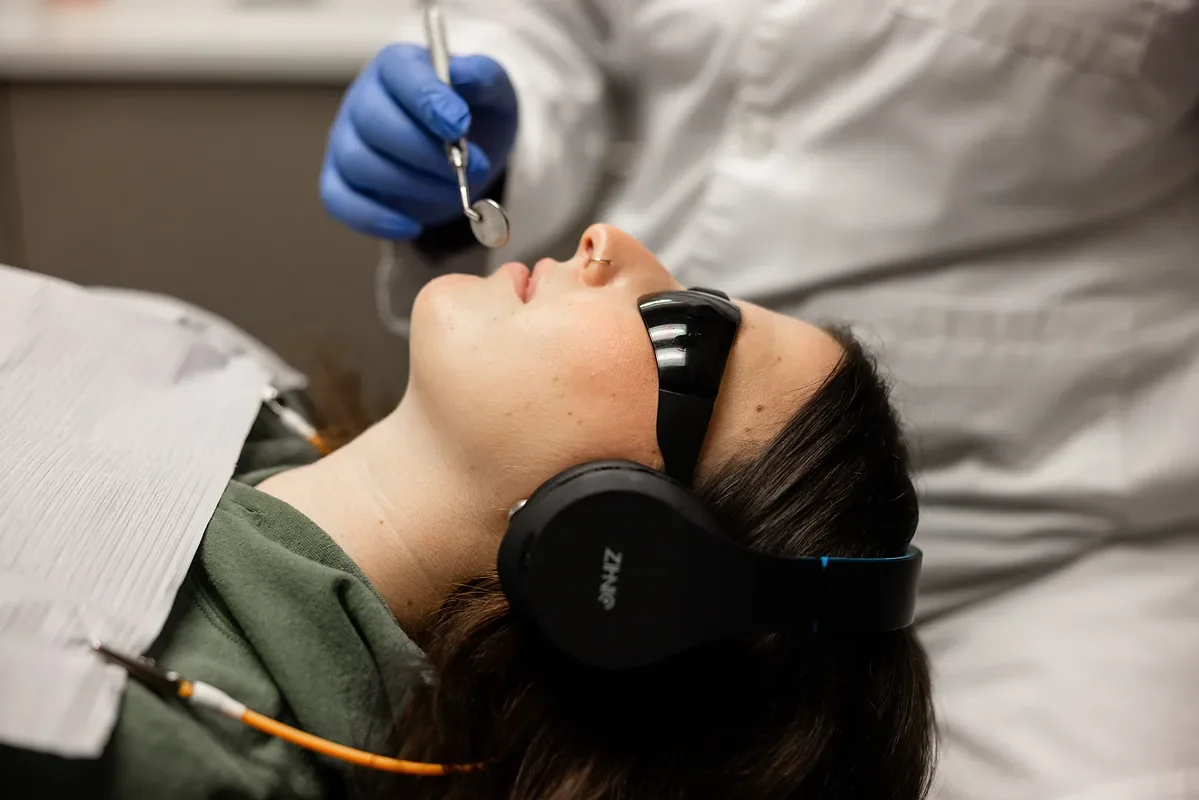
Your Extraction Visit at DDS
Step 1: Exam and X-ray
Your dentist evaluates the tooth, takes an X-ray, and confirms whether extraction is the right path. We discuss replacement options (when relevant) before anything is removed. Because we place implants in-house, we can plan replacement before the tooth comes out.
Step 2: Numbing and (optional) sedation
The area is fully numbed with local anesthetic. If you have chosen nitrous oxide or oral sedation, we plan that into your visit.
Step 3: The extraction
Your dentist removes the tooth as gently as possible, preserving the surrounding bone and tissue. Most simple extractions take only a few minutes once the area is fully numb.
Step 4: Closing and aftercare
We place gauze for bleeding control, give you detailed aftercare instructions, and send you home with everything you need to heal well.
Step 5: Follow-up
A short follow-up visit confirms the site is healing as expected. Most patients return to normal activity within a few days.
Frequently Asked Questions
Does an extraction hurt?
No. The area is fully numbed with local anesthetic, so most patients feel pressure and movement but not pain. Nitrous and oral sedation are available for patients who would like extra comfort.
How long does the procedure take?
Simple extractions usually take 30 to 45 minutes from arrival to walking out. The actual extraction once the area is numb is often only a few minutes.
Will I need a driver?
If you are having the extraction under local anesthesia or nitrous only, you can drive yourself. If you have chosen oral sedation, you need a responsible adult driver.
What is dry socket and how do I avoid it?
Dry socket is a painful condition that can develop when the protective blood clot at the extraction site is disturbed. The most important prevention is no straws, no smoking, no vigorous rinsing, and no spitting for the first 24 hours.
How long does the swelling last?
Most swelling peaks at 48 to 72 hours and resolves over the following week.
When can I go back to work?
Many patients return to a desk job the next day. Heavier physical work or activity should wait two to three days. Patients having multiple extractions or sedation should plan to take the day off.
Will I need to replace the tooth?
Wisdom teeth almost never need replacement. Other extractions often do, to keep your bite stable and prevent drift. Because we place implants in-house, we can discuss replacement options at the same consultation.
Does insurance cover extractions?
Most PPO dental plans cover a portion of extractions, including wisdom teeth in many cases. We verify your specific benefits before treatment.
Can I get a wisdom tooth removed on a Saturday?
In many cases, yes. Saturday slots fill quickly, so book early.
Healing, Aftercare, and Replacing the Tooth
What to Expect After an Extraction
- Mild swelling and discomfort for two to three days, eased by over-the-counter pain relievers
- Soft foods for the first 24 to 48 hours
- No drinking through a straw, no smoking, and no vigorous rinsing for the first 24 hours (to protect the blood clot)
- Gentle saltwater rinses starting 24 hours after the extraction
- Sleeping with your head slightly elevated the first night
- Call us right away if you have heavy bleeding, severe pain that worsens after a few days, or signs of infection
What to Do About the Empty Space
For wisdom teeth, replacement is rarely needed. For other extractions, leaving the space empty long-term can cause neighboring teeth to drift, change your bite, and complicate future restorations. Because we offer implant placement, bone grafting, bridges, and removable partials all in-house, we can plan replacement on the same visit timeline as the extraction.