Root Canal Therapy in South Lake Union, Seattle
Comfortable Root Canal Treatment to Save Your Tooth

Saving the Tooth, Removing the Infection
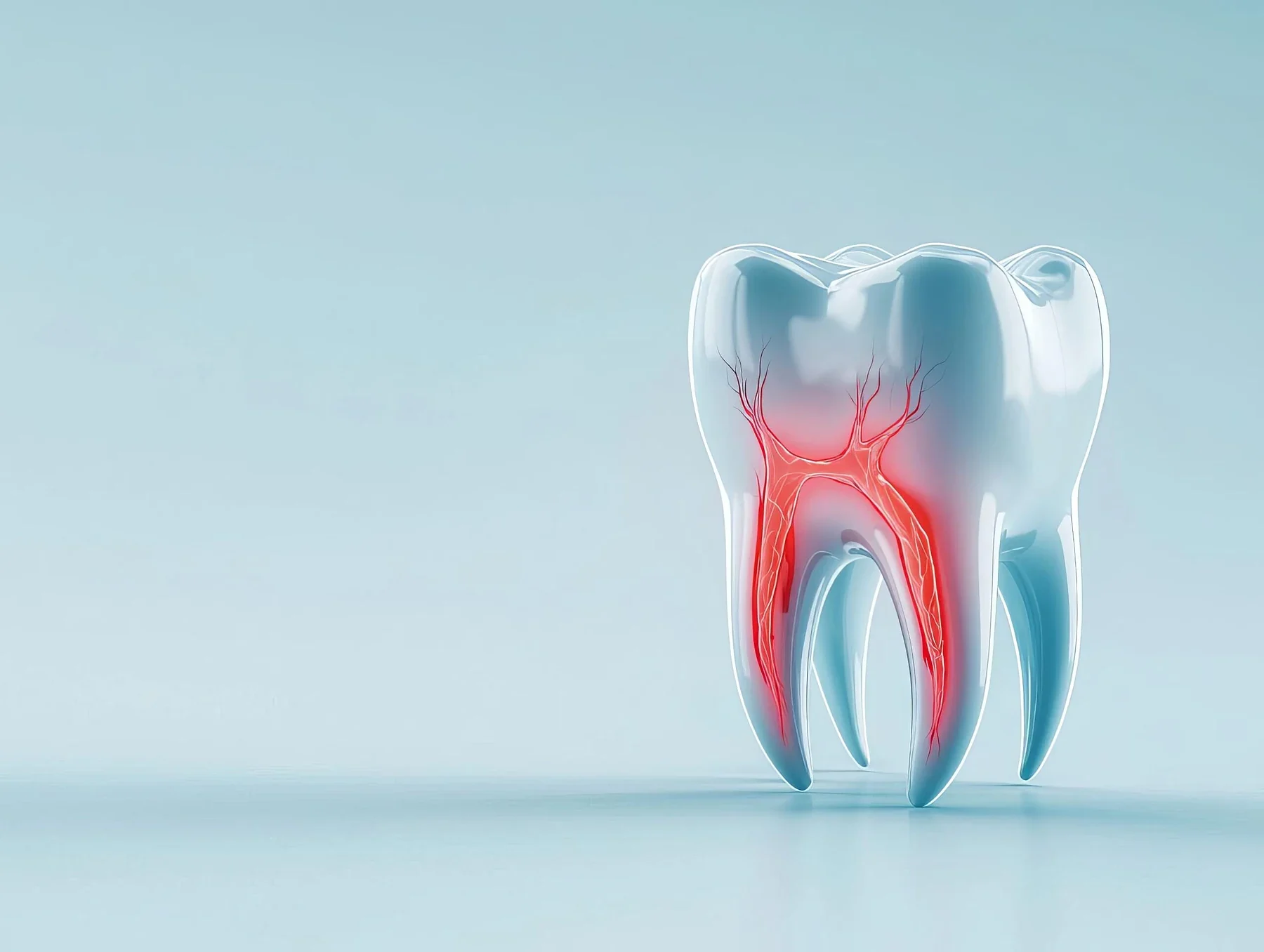
Inside every tooth is a small chamber of soft tissue called the pulp, which contains nerves and blood vessels. When the pulp becomes infected or irreversibly inflamed (usually from a deep cavity, a crack, repeated procedures on the same tooth, or trauma), the result is severe pain, sensitivity, and often a developing infection in the bone around the tooth.
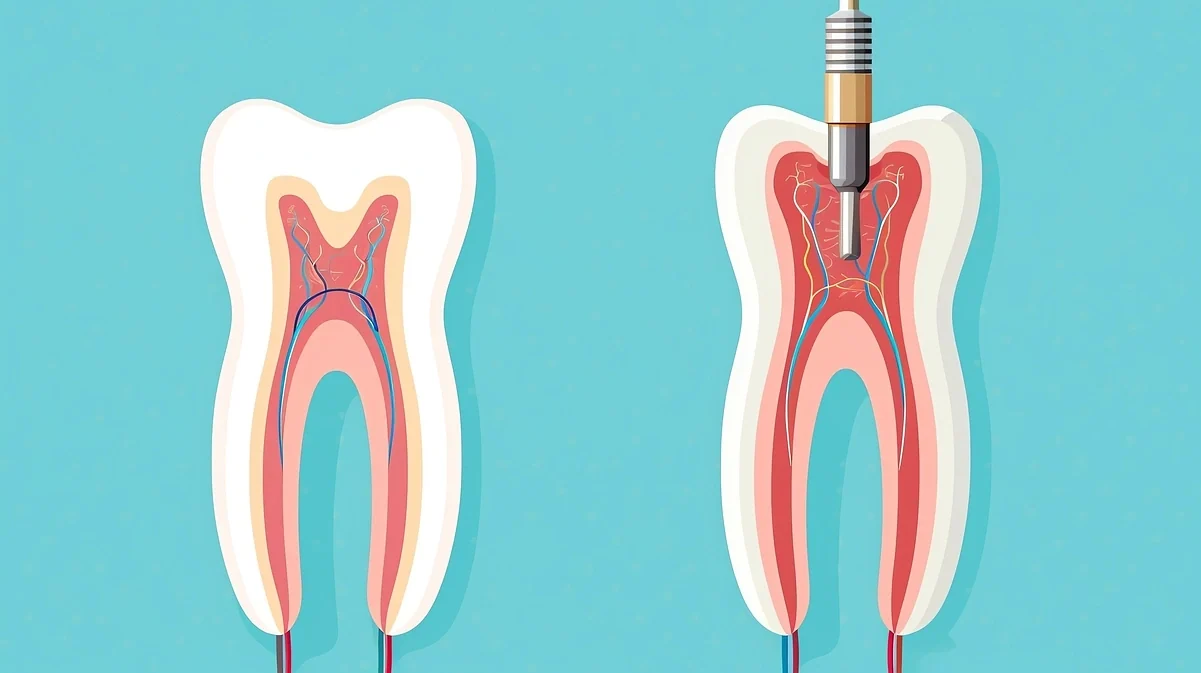
A root canal removes the infected pulp, disinfects the inside of the tooth, and seals the space so the tooth can stay in your mouth and continue to function. After the root canal is complete, the tooth typically receives a crown for protection.
Symptoms to Watch For
- Severe or lingering tooth pain, especially when biting or chewing
- Lasting sensitivity to hot or cold long after the source is gone
- A pimple-like bump on the gum near the tooth
- Swelling of the gum, face, or jaw
- A tooth that has darkened or changed color
- A throbbing tooth that wakes you up at night
Your Root Canal Visit at DDS
Step 1: Diagnosis
Your dentist examines the tooth, takes X-rays, and runs simple sensitivity tests to confirm that a root canal is the right treatment.
Step 2: Numbing and isolation
The area is fully numbed. A small protective sheet (rubber dam) keeps the tooth dry and clean throughout the procedure.
Step 3: Cleaning the inside of the tooth
A small opening is made and the infected pulp tissue is gently removed. The inside of the tooth is shaped, cleaned, and disinfected using fine instruments and irrigation.
Step 4: Sealing the tooth
The cleaned space is filled with a biocompatible material and sealed to prevent re-infection. A temporary or final filling protects the tooth until the crown is placed.
Step 5: Crown to protect the tooth
Most root canal teeth need a crown to restore full strength. Your dentist will plan and complete the crown at a follow-up appointment.
Frequently Asked Questions
Is a root canal painful?
No. The procedure is performed under local anesthesia, so most patients feel pressure but not pain. The pain people associate with root canals usually comes from the underlying infection, not the treatment.
How long does a root canal take?
Most root canals take 60 to 90 minutes. Complex cases or multi-canal teeth may take longer, and some are completed across two visits.
Do I need a crown after a root canal?
In most cases, yes. A root canal removes the inner tissue but does not restore the outer strength of the tooth. A crown protects the tooth from cracking under normal chewing forces.
How long will my tooth last after a root canal?
A properly treated and crowned root canal tooth can last for the rest of your life, especially with good home care and routine cleanings.
Does insurance cover root canals?
Most PPO dental plans cover a portion of root canal therapy. Coverage varies by plan, and we verify your specific benefits before treatment.
Can I drive home after a root canal?
Yes, if you have not used sedation. Patients who choose oral sedation will need a driver.
Is it better to pull the tooth instead?
In most cases, no. Extracting and replacing the tooth (with a bridge or implant) is usually more involved, more expensive long-term, and more biologically disruptive than saving the tooth with a root canal. Because we place implants in-house, we can compare both options for you if needed.
What is the recovery like?
Most patients return to normal activity the same day. Mild soreness for a day or two is common and responds well to over-the-counter pain relievers.
Can a root canal fail?
It is uncommon when the original treatment is well-done and the tooth is restored with a crown, but it can happen. When it does, retreatment by an endodontist or, in some cases, extraction is the next step.
Modern Root Canals Don’t Hurt
The myth that root canals are painful is exactly that: a myth, and a stubborn one. The pain people associate with root canals is the pain from the infection that brought them in. The procedure itself is performed under local anesthetic, and most patients say it feels similar to a routine filling.
Both nitrous oxide and oral sedation are available for patients who want extra ease.
When an Endodontist Is the Right Call
Most root canals can be performed comfortably in our office. For complex cases (teeth with unusual anatomy, prior failed root canals, or root resorption, for example) we refer to trusted endodontists in the Seattle area.