Crowns and Bridges in South Lake Union, Seattle
Strong, Natural-Looking Crowns and Bridges

What a Crown Does
A crown is a custom cap that covers an entire tooth, restoring its shape, strength, and appearance. Crowns are recommended when a tooth has been weakened by a large cavity, a fracture, or a large old filling that is starting to fail, or after a root canal when the remaining tooth structure needs full coverage.
Common reasons for a crown:
- A tooth with a large filling that no longer holds the tooth together
- A cracked or fractured tooth
- A tooth after root canal therapy
- A tooth worn down from grinding
- A tooth that is severely discolored or misshapen and not a candidate for a veneer
- A dental implant that needs its final restoration
What a Bridge Does
A bridge replaces one or more missing teeth by spanning the gap with a connected set of crowns. The crowns on either end attach to the natural teeth (or to implants) that flank the missing space, while the replacement tooth (the pontic) sits in between.
Bridges restore your ability to chew, prevent neighboring teeth from drifting, and bring back the look of a complete smile. Your dentist will help you weigh whether a bridge or an implant is a better long-term choice. Because we offer in-house implant placement, you do not have to be referred out to compare options.

Your Crown or Bridge Process at DDS
Step 1: Exam and planning
Your dentist evaluates the tooth (or teeth) in question, takes X-rays as needed, and reviews your bite. We talk through your options and choose the right material for the tooth being restored.
Step 2: Preparation
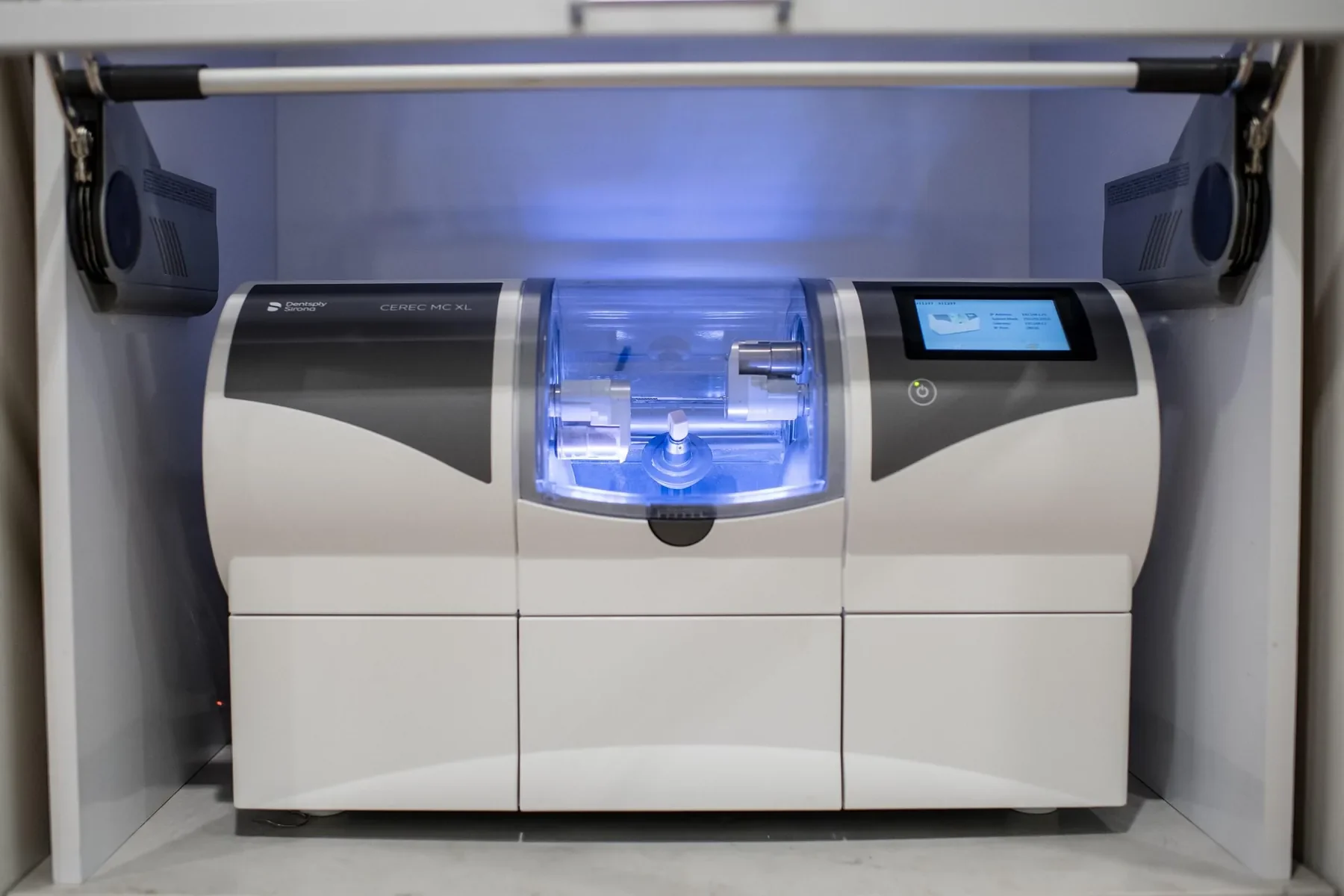
At your preparation visit, the tooth is reshaped to make room for the crown. We take a digital scan or impression and send it to a trusted dental laboratory, where your final restoration is custom-made.
Step 3: Temporary
You wear a comfortable temporary crown or bridge while your final restoration is being crafted. This protects the tooth and keeps your bite stable.
Step 4: Final delivery
At your final visit, we check the fit, the bite, and the look of your new restoration. When everything is right, we bond it permanently in place.
Step 5: Maintenance
A well-made crown or bridge can last ten to twenty years or longer. Routine cleanings and good home care, especially around the margins and under bridges, are the key to making them last.
Frequently Asked Questions
How long does it take to get a crown?
Most crowns are completed across two visits over about two to three weeks. The first visit is preparation and impressions; the second is final delivery once the laboratory has crafted your custom crown.
How long do crowns last?
With good home care and regular dental visits, most crowns last ten to fifteen years and many last longer.
Will my crown look natural?
Yes. Modern all-ceramic crowns reflect light similarly to natural enamel and can be color-matched to your other teeth so the result looks like a healthy version of the original tooth.
Does getting a crown hurt?
No. Preparation is performed under local anesthetic so you do not feel pain during the visit. Mild sensitivity in the days afterward is common and resolves quickly. Sedation is available for patients who would like extra comfort.
Does insurance cover crowns and bridges?
Most dental plans, including the dental plans used by Microsoft, Google, and Amazon employees, cover a portion of crowns and bridges when they are needed for restorative reasons. Coverage varies, and we verify your benefits before treatment.
Bridge or implant for a missing tooth, which is better?
It depends on the situation: the health of neighboring teeth, your bite, your bone, and your preferences. Because we place implants in-house, we can compare options for you side-by-side.
How do I clean under a bridge?
A bridge is cleaned with a floss threader, a water flosser, or a tufted floss designed to slide under the pontic. We teach you the right technique at your delivery visit.
What happens if my crown comes off?
Call us. In many cases the crown can be re-bonded. Do not try to glue it back on yourself.
Can I have my crown work done on a Saturday?
Crown preparation visits are typically scheduled during weekday hours, but follow-up bonding visits can often be done on a Saturday. Tell us what works for your schedule and we will plan around it.
Crown Materials
All-ceramic / zirconia
Strong, natural-looking, and free of metal. Excellent for both front and back teeth and our most common choice for crown work.
Porcelain-fused-to-metal
A long-trusted option that combines a strong metal substructure with a porcelain outer layer. Less common today than all-ceramic but appropriate in certain situations.
Gold
Gold is gentle on opposing teeth, exceptionally durable, and a great choice for some back-tooth restorations when aesthetics in that area are not a concern.