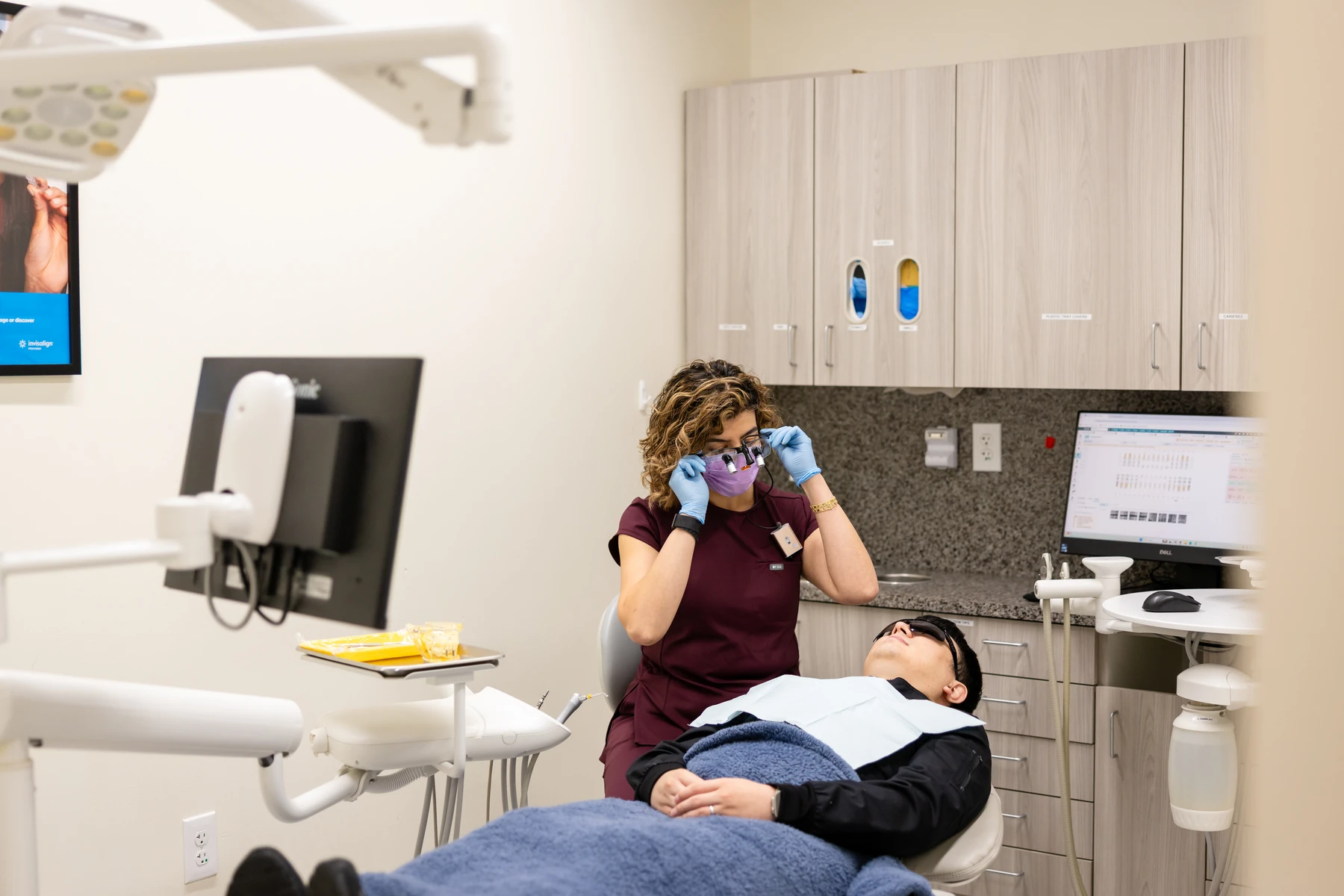
Seattle’s Downtown Dentist
Emergency Dental Care in Downtown Seattle

Emergency Dental Care at Seattle’s Downtown Dentist
Dental emergencies don’t wait for a convenient appointment slot. A cracked tooth, a sudden toothache, a knocked-out tooth, or a crown that just popped off can all turn a normal day into a stressful one. At Seattle’s Downtown Dentist, we hold time in our daily schedule for urgent cases and can often see you the same day or the next business day. Call as early in the day as possible at (206) 623-3371 and our team will do everything we can to fit you in.
We treat patients across downtown Seattle, South Lake Union, Belltown, Queen Anne, Capitol Hill, and the surrounding neighborhoods. Whether you’re an established patient or you’ve never been to our office before, we’re ready to help.
Why Quick Care Matters for Dental Emergencies
Most dental emergencies get worse with time, not better. A small crack can deepen with each chew. A cavity can reach the pulp and turn a filling appointment into a root canal. A knocked-out tooth has the best chance of being saved within the first hour. Getting in front of the problem fast protects the tooth, controls the pain, and almost always keeps treatment simpler and less expensive.
If you’re not sure whether your situation counts as an emergency, call us anyway. Our team can ask a few questions over the phone and help you understand whether you need to come in today, tomorrow, or at your next routine visit.

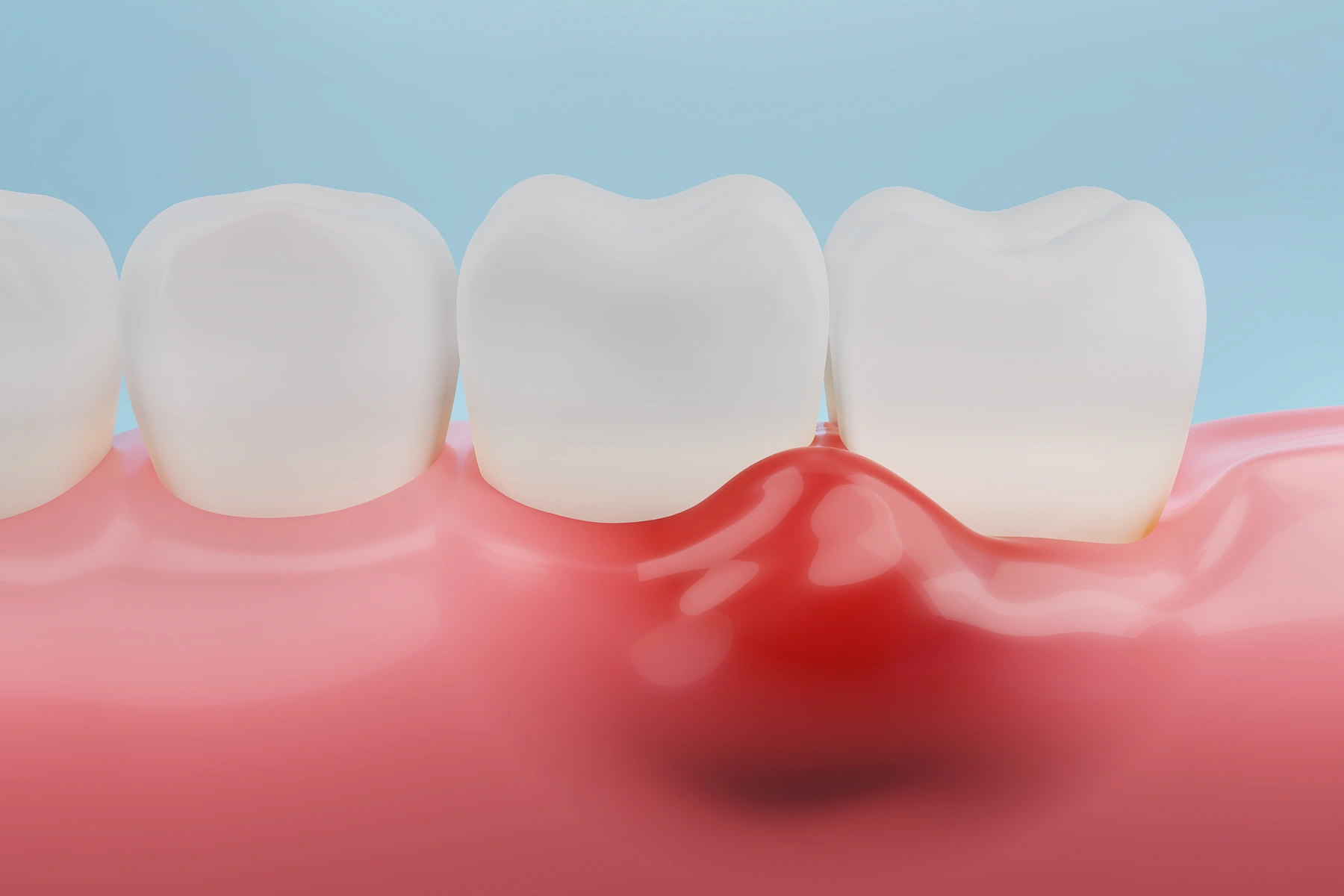
When to Call Us for Urgent Dental Care
Call us right away if you’re experiencing any of the following. If you’re uncertain, call anyway. We’d rather help you decide than have you wait when you didn’t need to.
- Severe or persistent toothache
- Cracked, chipped, or broken tooth
- Knocked-out tooth (call immediately, the first hour matters)
- Lost or loose crown, bridge, or filling
- Sudden, sharp temperature sensitivity
- Visible swelling in the gums, face, or jaw
- Bleeding from the gums or mouth that does not stop
- Signs of dental infection: fever, persistent bad taste, or facial swelling
- Trauma to the mouth from a fall, sports impact, or accident
Frequently Asked Questions
What is considered a dental emergency?
Severe pain, swelling, knocked-out teeth, broken or cracked teeth, lost crowns or fillings, persistent bleeding, and signs of infection are all dental emergencies. If you’re unsure, call us at (206) 623-3371 and our team will help you decide whether you need same-day care.
Can I be seen the same day?
Often, yes. Seattle’s Downtown Dentist holds time in the daily schedule for emergencies and new patients. Call as early in the day as possible so we have the best chance of fitting you in. If we cannot see you the same day, we will give you a next-business-day appointment and guidance on what to do in the meantime.
What if my dental emergency happens after hours?
If you call after office hours, leave us a voicemail. Our team will return your call first thing when we reopen and get you scheduled as soon as possible. We monitor messages so you do not need to call back multiple times.
What should I do if my tooth gets knocked out?
Time matters. Pick the tooth up by the crown, not the root, and rinse it gently with water if it is dirty. If possible, place it back in the socket. If not, store it in milk or saliva (never water alone) and call us immediately. A tooth replanted within an hour has the best chance of being saved.
My crown popped off. Is that an emergency?
Yes. A loose or lost crown leaves the underlying tooth structure exposed to damage and bacteria. Save the crown if you can find it and call us as soon as possible. Most lost crowns can be re-cemented or replaced quickly during a same-day visit.
How much does emergency dental care cost?
Cost depends on what the emergency requires. Some emergencies are resolved in a single visit (re-cementing a crown, treating an infection). Others need follow-up care (root canal, restorative work after a broken tooth). We provide clear, upfront pricing before any treatment begins and help you understand what insurance will cover.
Will it hurt to be seen for an emergency?
We use local anesthesia for any procedure that would otherwise be uncomfortable. Most patients are surprised by how much better they feel before they even leave the chair. Tell us when you book about any anxiety or specific concerns and we will plan the visit around them.
Can I wait it out and see if the pain goes away on its own?
Most dental pain does not resolve on its own. Waiting usually means the problem gets worse and the treatment becomes more involved. A quick visit while the issue is still small often saves a tooth that otherwise might need to be extracted.
Do you treat dental infections?
Yes. We diagnose the source of the infection, provide immediate relief, and recommend a treatment plan to address the underlying cause. Untreated dental infections can spread, so quick care matters.
Are you accepting new patients for emergency care?
Yes. You do not need to be an existing patient to be seen for an emergency. Call us at (206) 623-3371 and we will do everything we can to fit you in the same day or the next business day.
What to Expect at Your Emergency Visit
A Quick Phone Conversation
When you call, our team asks a few quick questions to understand what is going on, gauges the urgency, and offers the soonest appointment we have available. If your situation requires immediate attention from a hospital or oral surgeon, we will tell you that clearly and help you get the right care.
A Focused Exam
When you arrive, we look closely at the area causing trouble and take X-rays if needed. We make sure you are comfortable and that you understand what we are seeing before we recommend any treatment.
Clear Treatment Options
We explain what is going on in plain language, walk you through your options, share pricing upfront, and recommend the path we would actually take in your situation. No pressure to commit before you are ready.
Immediate Treatment
Whenever possible, we treat the problem in the same visit. That might mean re-cementing a crown, repairing a broken tooth, beginning a root canal, prescribing medication for an infection, or stabilizing pain until a follow-up appointment.
Follow-Up Care
Before you leave, we make sure you know what to expect over the next few days, when to come back if more treatment is needed, and how to prevent a similar issue in the future.